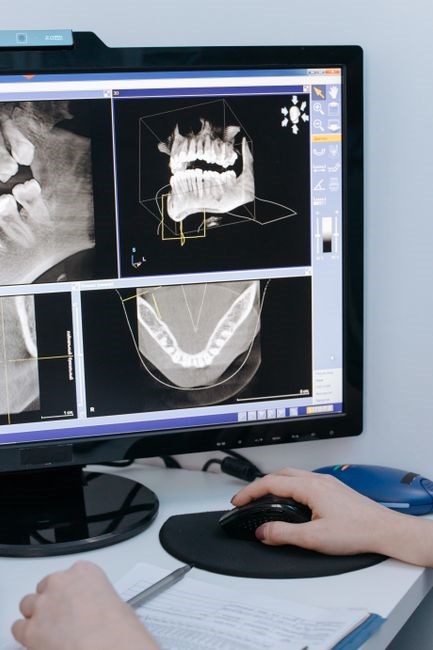
Purpose and Scope of Dental Health History Forms
Dental health history PDFs capture patient background‚ allergies‚ medications‚ past procedures‚ and oral habits. They streamline intake‚ support risk assessment‚ and guide preventive care. Accurate‚ standardized forms enhance communication among providers and improve outcomes. They also enable digital signatures!?
Definition and Core Components
A dental health history PDF is a structured electronic form that captures a patient’s personal‚ medical‚ and oral information before a clinical visit. It serves as the foundation for risk assessment‚ treatment planning‚ and compliance documentation. Core components typically include:
- Personal Identification: name‚ date of birth‚ contact details‚ insurance data‚ and emergency contacts.
- Medical Background: chronic conditions‚ current medications‚ allergies‚ recent surgeries‚ and immunization status.
- Dental History: past restorations‚ extractions‚ orthodontic treatment‚ periodontal status‚ and trauma history.
- Oral Hygiene Practices: brushing and flossing frequency‚ mouthwash use‚ and dietary habits.
- Symptom Log: pain episodes‚ sensitivity‚ bleeding‚ swelling‚ and functional limitations.
- Consent and Legal Statements: privacy policy acknowledgment‚ treatment consent‚ and electronic signature fields.
These elements are organized into logical sections with clear prompts‚ checkboxes‚ and drop‑down menus to ensure consistency and completeness. Built‑in validation rules flag incomplete or inconsistent entries‚ while accessibility features such as tagged PDFs and screen‑reader friendly labels allow patients with disabilities to complete the form independently. Multilingual options accommodate diverse populations without compromising data integrity.
Version control timestamps each revision‚ and an audit trail records access or modifications‚ supporting regulatory compliance and protecting patient confidentiality. When a patient updates their history‚ the PDF can be re‑submitted electronically‚ triggering automated notifications to the dental team and prompting a review before the next appointment.
When linked to electronic health record (EHR) systems‚ the PDF’s structured fields map directly to database columns‚ enabling real‑time population of patient charts. This seamless flow reduces manual data entry‚ minimizes errors‚ and frees clinicians to focus on care rather than paperwork.
Role in Clinical Assessment

During a dental visit‚ the health history PDF acts as a diagnostic compass‚ guiding clinicians through a patient’s systemic and oral landscape. By aggregating medical conditions‚ medication lists‚ and allergy alerts‚ the form flags potential anesthesia risks‚ drug interactions‚ and systemic contraindications that could alter treatment protocols. Dental‑specific data—previous restorations‚ periodontal status‚ orthodontic history‚ and trauma incidents—provide a baseline for evaluating tooth integrity‚ root morphology‚ and bone density. This snapshot informs the selection of restorative materials‚ the necessity of prophylactic antibiotics‚ and the urgency of referral to specialists.
For example‚ a patient reporting nocturnal bruxism and a history of temporomandibular joint disorder prompts the clinician to assess occlusal contacts and consider occlusal splint therapy. Similarly‚ a history of smoking and periodontal disease steers the dentist toward a more aggressive periodontal protocol and lifestyle counseling.
Electronic integration amplifies the PDF’s utility. Uploaded to the practice system‚ algorithms generate risk scores and populate treatment plans. The audit trail preserves chronology and supports compliance.
In essence‚ the dental health history PDF transforms routine intake into a data‑rich foundation for precise‚ personalized‚ and safe patient care. And more!!! Clinicians use this record to anticipate complications‚ tailor treatment plans‚ and involve patients in shared decision‑making‚ building trust compliance.
Standardized Information Gathered
Standardized dental health history PDFs collect a uniform set of data points that enable consistent assessment across practices. Core elements include demographic identifiers (name‚ date of birth‚ contact details)‚ medical history (chronic illnesses‚ recent surgeries‚ immunizations)‚ medication lists (prescription drugs‚ over‑the‑counter supplements‚ dosage‚ frequency)‚ allergy information (food‚ drug‚ latex)‚ and lifestyle factors (smoking‚ alcohol‚ oral hygiene habits). Dental‑specific sections capture previous dental treatments (fillings‚ crowns‚ root canals‚ extractions)‚ orthodontic interventions‚ periodontal status‚ and trauma history. The form also records family dental history‚ noting hereditary conditions such as early tooth loss or enamel hypoplasia. Additional fields capture psychosocial factors—anxiety levels‚ dental phobia‚ and preferred communication methods—to tailor patient experience. By standardizing these data points‚ the PDF facilitates seamless data exchange with electronic health record systems‚ supports automated risk stratification‚ and ensures that every clinician receives the same comprehensive snapshot‚ thereby reducing errors and improving treatment outcomes. The structured format also allows for quick reference during emergencies‚ ensuring that critical information—such as anticoagulant use or recent cardiac events—is readily available. Moreover‚ the consistent layout aids in longitudinal monitoring‚ enabling practitioners to track changes over time and adjust preventive strategies accordingly. The inclusion of a consent section guarantees that patients understand how their information will be used‚ reinforcing trust and compliance. Overall‚ the standardized information gathered in a dental health history PDF serves as the backbone of modern dental practice‚ bridging the gap between patient self‑reporting and clinical decision‑making.

Impact on Treatment Planning
Dental health history PDFs provide a structured foundation for individualized care. By aggregating medical comorbidities‚ medication regimens‚ and prior dental interventions‚ clinicians can anticipate procedural risks‚ select appropriate anesthesia‚ and schedule follow‑up intervals. Allergy and medication fields inform safe drug selection‚ preventing adverse reactions during local or general anesthesia. Knowledge of systemic conditions such as diabetes‚ cardiovascular disease‚ or immunosuppression guides prophylactic antibiotic choice and infection control protocols. Previous restorative work‚ including type‚ material‚ and longevity of fillings or crowns‚ influences restoration design‚ bonding agents‚ and occlusal adjustments. Periodontal status and gum disease history help determine the need for scaling‚ root planing‚ or implant placement‚ and influence elective procedure timing. Family history of early tooth loss or enamel defects alerts practitioners to genetic predispositions‚ prompting early preventive interventions. Lifestyle factors such as smoking or bruxism are factored into protective appliance selection or behavioral counseling. The standardized format ensures all team members access the same data‚ reducing miscommunication. Integrated with practice management software‚ the PDF can trigger automated reminders for preventive visits‚ fluoride treatments‚ or sealant applications‚ aligning treatment plans with evidence‑based guidelines. In complex cases‚ historical data support multidisciplinary collaboration‚ allowing orthodontists‚ periodontists‚ and oral surgeons to coordinate care pathways. The depth and consistency of information captured empower clinicians to devise comprehensive‚ risk‑adjusted treatment plans that optimize patient outcomes while safeguarding safety and efficiency. By embedding this data into the workflow‚ practices achieve higher diagnostic accuracy‚ lower complication rates‚ and increased patient satisfaction. This approach also improves billing accuracy and supports compliance.

Designing‚ Customizing‚ and Distributing PDF Forms
Use template libraries‚ choose form fields‚ embed branding‚ add electronic signature fields‚ encrypt data‚ export to PDF. Distribute via secure email‚ clinic portal‚ or QR code for patient access. Ensure compatibility with practice software. Add fields for allergies‚ medications prior procedures quickly now.
Selecting a Template and Software Tools
Choosing a template that aligns with regulatory standards and clinic workflow is the first step. Start by reviewing industry‑approved models from the American Dental Association or the Dental Practice Management Association. These templates already include sections for medical history‚ medication lists‚ dental insurance‚ and consent language. Once a base is selected‚ customize fields to match your practice’s specific needs—such as adding a “sleep apnea” checkbox or a “previous implant” dropdown. For software‚ Adobe Acrobat Pro DC offers robust form‑field editing‚ PDF encryption‚ and e‑signature support. Alternatives like Nitro PDF or Foxit PhantomPDF provide similar functionality at lower cost. Cloud‑based builders such as JotForm or Formstack allow you to design forms in a web interface‚ then export a secure PDF that can be embedded in your electronic health record system. Integration with practice management software (e.g.‚ Dentrix‚ Eaglesoft‚ or OpenDental) is crucial; most vendors support PDF import/export and can auto‑populate patient data into the form. Finally‚ test the template with a pilot group of patients to ensure that all fields capture data accurately and that the form loads correctly on mobile devices‚ tablets‚ and desktops. A well‑chosen template and reliable software tool set streamline intake‚ reduce errors‚ and improve patient satisfaction.
Additional guidance: use consistent field labels‚ test with diverse devices‚ and keep the form lightweight to avoid slow loading times!!!.!!!
Update the form annually for compliance.
Patient Identification: name‚ date of birth‚ contact details‚ and insurance information. 2. Medical History: Chronic conditions‚ surgeries‚ hospitalizations‚ and current medications with dosage. 3. Allergies: Drug‚ food‚ and latex allergies‚ including reaction severity. 4. Dental History: Previous procedures‚ restorations‚ orthodontics‚ and implant status. 5. Habits: Brushing frequency‚ flossing‚ tobacco use‚ and parafunctional activities. 6. Family Dental History: predispositions such as periodontal disease or enamel hypoplasia. 7. Symptoms: Pain‚ sensitivity‚ swelling‚ or recent trauma. 8. Factors: Diet‚ alcohol consumption‚ and stress levels. 9. and Release: Authorization for treatment‚ data sharing‚ and electronic signatures. 10. Notes: Space for provider remarks or patient comments. The form should be mobile‑friendly‚ supporting responsive layouts on smartphones‚ tablets‚ and desktops. PDF encryption (AES‑256) protects patient data during transmission and storage‚ ensuring HIPAA compliance. An electronic signature field allows patients to sign remotely‚ improving convenience and reducing paper waste. Integration with the practice’s EHR auto‑populates existing patient data‚ reducing duplicate entry and errors. Staff must train on field completion and data privacy to maintain integrity. The form should be reviewed annually to reflect updates in regulations‚ guidelines‚ and technology advancements. A PDF streamlines intake‚ supports evidence‑based decision making‚ and enhances patient engagement. All in all!
Facilitating Electronic Signatures and Data Security
Electronic signatures on a dental health history PDF must meet e‑signature law (ESIGN‚ UETA) and HIPAA’s privacy rule. The form should embed a secure‚ time‑stamped signature field that captures the patient’s name‚ date‚ and digital fingerprint. A cryptographic hash (SHA‑256) of the PDF body guarantees integrity; any alteration after signing triggers an alert. Data encryption at rest and in transit (TLS 1.3‚ AES‑256) protects against interception and unauthorized access. The signature module should support multi‑factor authentication—password plus biometric or OTP—to reduce fraud. Audit logs record every access‚ edit‚ and sign event‚ enabling compliance audits and dispute resolution. Role‑based access controls restrict editing rights to authorized clinicians; patients can view but not modify signed sections. The PDF must be stored in a HIPAA‑compliant cloud with regular penetration testing and backup redundancy. The form supports digital signatures recognized under state law. Finally‚ a digital certificate from a trusted CA validates the signer’s identity‚ and the PDF’s X.509 certificate chain is verifiable by any compliant viewer. These measures collectively ensure that the electronic signature is legally binding‚ tamper‑proof‚ and compliant with federal data‑security standards.
Additionally‚ the system should log IP addresses and device fingerprints during signing‚ providing extra traceability. The PDF includes a consent clause stating patient understanding of data use‚ storage‚ and sharing. A rollback feature allows the clinic to revert to a previous version if an error is detected before final signature‚ ensuring data integrity. Training modules for staff on handling electronic forms reduce accidental data exposure. Regular security audits and compliance checks keep the system aligned with evolving regulations. By combining robust cryptography‚ stringent access controls‚ and comprehensive audit trails‚ dental practices confidently offer patients a seamless‚ secure‚ and legally sound electronic consent experience.
Integration with Practice Management Systems
Integrating a PDF dental health history form into a practice management system (PMS) streamlines patient onboarding and ensures data consistency across care teams. The PDF should expose a machine‑readable schema—XML‚ JSON‚ or FHIR—so that middleware or native PMS connectors can parse each field automatically. When a patient completes the form electronically‚ the system captures personal details‚ medical history‚ allergies‚ medications‚ and oral habits‚ mapping them to the PMS database tables. Real‑time validation flags missing or inconsistent entries before submission‚ reducing back‑and‑forth communication. The integration layer can be built using a middleware platform such as Mirth Connect‚ Node.js services‚ or a RESTful API gateway that listens for completed PDF uploads‚ extracts the data‚ and pushes it to the PMS via secure endpoints. Authentication should use OAuth 2.0 or mutual TLS to protect data in transit. Once the data lands in the PMS‚ it populates the patient record‚ triggers alerts for high‑risk conditions‚ and updates the treatment plan module. The PMS can then generate appointment reminders‚ insurance claims‚ and billing statements automatically. Version control is critical; the integration should maintain a log of each PDF revision and the corresponding PMS update‚ enabling audit trails and rollback if necessary. Finally‚ the system should support bidirectional sync: updates made in the PMS—such as new allergies or medication changes—can be pushed back to the PDF form for patient review‚ ensuring that the electronic health record remains current across all touchpoints. Additionally‚ the integration should expose audit logs that capture every field change‚ timestamp‚ and user action‚ allowing compliance with HIPAA and facilitating dispute resolution. By leveraging standardized APIs‚ the PMS can automatically flag patients who require urgent follow‑up‚ schedule preventive screenings‚ and generate population health reports. The bidirectional sync ensures that any updates—such as new medication or a change in medical status—are reflected in both the PDF and the PMS‚ keeping the patient’s record up to date and reducing the risk of clinical errors. This seamless data flow not only improves clinical efficiency but also enhances patient engagement by providing real‑time access to their own health information through patient portals. Audit logs kept day..!.
Compliance‚ Confidentiality‚ and Future Trends
Compliance ensures dental PDFs meet HIPAA‚ encrypt data‚ and secure signatures. Confidentiality protocols guard patient records during storage and transmission. Future trends feature blockchain audit trails‚ AI‑driven consent management‚ and real‑time risk analytics‚ boosting trust and efficiency. 2026!
HIPAA and Data Protection Requirements
Dental health history PDFs must comply with HIPAA’s Privacy Rule‚ protecting PHI in electronic form. Core Rule mandates technical‚ administrative‚ and physical safeguards. PDFs require encryption at rest and in transit‚ role‑based access‚ and audit trails for every view‚ edit‚ or download.
Administrative safeguards include a written privacy policy‚ staff training‚ and a privacy officer. All staff handling PDFs must receive HIPAA training and conduct risk assessments. Policies should specify secure storage (e.g.‚ encrypted cloud servers with multi‑factor authentication) and secure sharing (e.g.‚ encrypted email or patient portal).
Technical safeguards involve PDF encryption standards such as AES‑256‚ password protection‚ and digital signatures that verify authenticity. PDFs must support secure electronic signatures meeting ESIGN and UETA. Signatures should be time‑stamped and stored tamper‑evidently.
All PDFs are stored in a HIPAA‑compliant cloud environment with daily backups daily secure. OK
Physical safeguards require secure servers‚ encrypted backup media‚ and off‑site storage. In a breach‚ clinics must follow HIPAA breach notification rules‚ providing timely notice and remediation.
Integrating PDF workflow with the practice’s EHR ensures consistent encryption and access controls across platforms. Aligning PDF handling with HIPAA’s three pillars—administrative‚ technical‚ and physical—protects privacy‚ avoids penalties‚ and maintains trust.
Managing Consent and Patient Rights
Consent for dental history PDFs must be clear‚ voluntary‚ and documented. Patients receive a plain‑language summary of data use‚ storage‚ and sharing. Digital signatures are time‑stamped and verifiable‚ ensuring the consent is current and can be revoked at any time. Patients may revoke consent at any time through the portal‚ and the system logs the revocation date. The consent form also specifies whether the patient consents to future research studies or educational use of anonymized data. Patients can review the consent history at any time‚ ensuring transparency.
Patients can review‚ amend‚ or delete their records. Practices must provide a simple process for changes‚ verify identity‚ and log requests. Patients may restrict disclosure to specific providers or treatments‚ and audit logs record every access. If a patient requests deletion‚ the practice must remove the data from all backups within 30 days‚ ensuring no residual copies remain. Audit logs include timestamps‚ user IDs‚ and the nature of each access‚ allowing for full traceability in case of disputes.
Patients can obtain a portable copy of their history via secure portals. When opting out of data sharing‚ systems enforce preferences automatically‚ preventing accidental disclosure. Compliance protects autonomy and builds trust. The practice must maintain a secure‚ encrypted backup of all consent records‚ and these backups are subject to the same access controls as the primary database. All updates are logged quarterly!!
Automating Data Capture and AI Enhancements
Modern dental health history PDFs integrate OCR and form‑recognition engines that auto‑populate fields from scanned documents‚ reducing manual entry errors. AI‑driven natural‑language processing parses free‑text notes‚ extracting medication lists‚ allergy flags‚ and procedural histories. This streamlines intake‚ speeds up charting‚ and ensures consistency across patient records.

Predictive analytics can flag high‑risk patients by cross‑referencing demographic data with clinical indicators. For example‚ an AI model may predict caries risk based on age‚ fluoride exposure‚ and previous fillings‚ prompting targeted preventive protocols. These insights are displayed in the patient portal‚ allowing clinicians to tailor treatment plans in real time.
Automated reminders generated by the system prompt patients to complete missing sections before appointments‚ improving data completeness. Integration with wearable devices can feed real‑time oral health metrics‚ such as plaque index or salivary flow‚ into the PDF‚ creating a dynamic health snapshot. All data flows through encrypted channels‚ preserving privacy while enabling advanced analytics.
Continuous learning loops feed new case data back into the AI‚ refining risk models and improving accuracy over time. Practices can export anonymized datasets for research‚ subject to consent‚ fostering innovation in dental care. The combination of automation and AI transforms static forms into intelligent decision‑support tools‚ enhancing care quality and operational efficiency and trust. and care.
Emerging Standards for Dental Digital Records

Dental digital records are evolving toward unified‚ interoperable frameworks that streamline data exchange across the continuum of care. The American Dental Association (ADA) promotes the DICOM‑Dental extension‚ which encapsulates radiographs‚ treatment plans‚ and patient demographics into a single‚ secure bundle. When combined with HL7 FHIR (Fast Healthcare Interoperability Resources)‚ these records can be pushed to electronic health record (EHR) systems in real time‚ ensuring that clinical history‚ imaging‚ and outcomes are synchronized. ISO 18308 offers a standardized taxonomy for dental procedures‚ while ISO 20776‑1 governs laboratory test reporting‚ guaranteeing that microbiology‚ pathology‚ and biomaterial data are uniformly encoded. Emerging initiatives such as the Dental Health Information Network (DHIN) and the European Dental Data Exchange (EDDE) are piloting blockchain‑based audit trails to ensure provenance and tamper‑resistance. Artificial intelligence is being woven into these standards to auto‑annotate images‚ flag anomalies‚ and predict treatment outcomes‚ thereby reducing clinician workload and enhancing diagnostic accuracy. Regulatory bodies are revising consent frameworks to accommodate dynamic data sharing‚ allowing patients to opt‑in for research while preserving privacy. Future iterations will likely incorporate semantic web technologies‚ enabling machine‑readable ontologies that map clinical concepts to universal identifiers. This will support precision dentistry‚ where treatment is tailored to genetic‚ microbiome‚ and lifestyle data. The integration of wearable sensor data—such as salivary biomarkers and oral temperature—into the digital record will provide continuous monitoring‚ enabling early detection of periodontal disease or systemic conditions. The convergence of cloud computing‚ edge analytics‚ and secure APIs will also enable remote triage‚ tele‑dental consultations‚ and real‑time decision support. By adopting these emerging standards‚ dental professionals can deliver higher quality care‚ comply with evolving privacy regulations‚ and contribute to a global repository of evidence that drives innovation in oral health. Continued collaboration among clinicians‚ informaticians‚ and policymakers will accelerate the adoption of these standards‚ ensuring that dental digital records become a cornerstone of integrated‚ patient‑centered care worldwide. Moreover‚ interoperability standards will enable large‑scale studies correlating oral health with systemic disease‚ improving public health metrics.